
How Qezvoro leverages artificial intelligence to automate crypto portfolio strategies
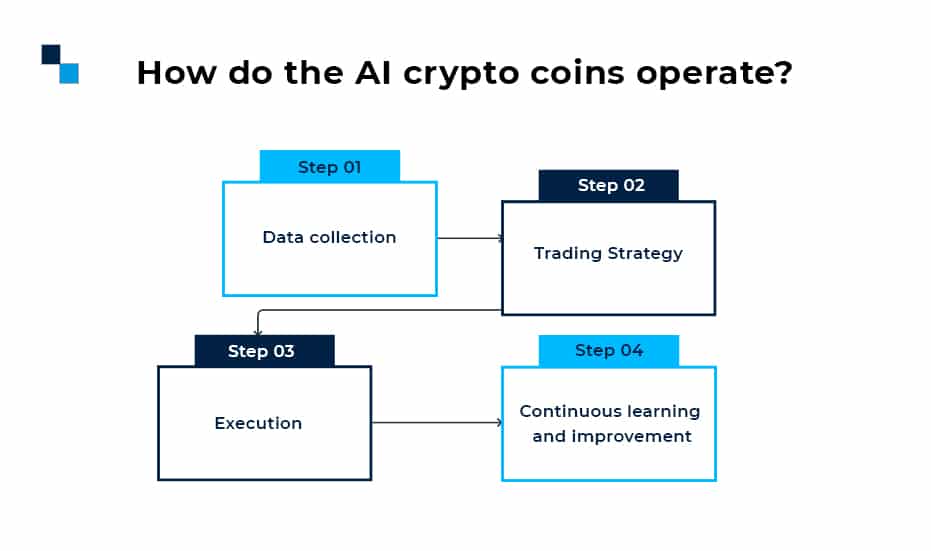
Integrating artificial intelligence into your asset management process can yield remarkable efficiencies and insights. By harnessing advanced algorithms, investors can leverage data-driven decisions that enhance their investment outcomes.
The ability to analyze large volumes of market data in real-time allows for timely reactions to fluctuations. Users can implement strategies tailored to specific risk appetites and market conditions, ensuring a bespoke approach to investment that remains responsive to both opportunities and threats.
Engaging with platforms like https://qezvoro-ai.org can provide significant advantages in maintaining a competitive edge. Such tools facilitate the optimization of assets and prioritize high-potential trades, reducing manual oversight while maximizing potential returns. This approach not only streamlines processes but also enhances the overall decision-making framework.
How Qezvoro Analyzes Market Trends for Optimal Asset Allocation
Utilizing predictive analytics, the platform identifies key patterns in asset performance across various exchanges. By analyzing historical data, it pinpoints correlations between different assets, allowing for better decision-making on weight distributions within a collection.
Data-Driven Insights
Access to real-time market data plays a pivotal role in this process. With an accumulation of vast datasets, the system evaluates factors such as trading volume, price movements, and volatility. This analytical approach supports the identification of optimal entry and exit points for holdings.
- Machine learning algorithms assess sentiment from news sources and social media feeds.
- Quantitative models test various allocation scenarios, providing insights into potential risks and rewards.
- Integration of on-chain metrics enhances understanding of asset flows and trader behavior.
Adaptive Strategies
Flexibility is key; the platform adjusts its methodologies based on evolving market conditions. By monitoring external factors, such as regulatory changes or technological advancements, it prepares to recalibrate strategies, ensuring alignment with current trends.
Regular rebalancing occurs as predefined thresholds are met. This practice minimizes exposure to underperforming assets while reallocating to those with emerging potential, optimizing the overall asset mix.
In conclusion, by employing sophisticated analytics and adaptive methodologies, the platform ensures a strategic approach to asset management that is both responsive and informed.
Implementing Automated Trading Bots for Dynamic Portfolio Management
To enhance performance in volatile markets, incorporate trading bots that execute predefined rules based on market indicators. Bots can analyze vast amounts of data rapidly, identifying trends that manual trading might miss.
Choose a reputable platform that supports algorithmic trading. Ensure it provides robust API integrations, allowing seamless connections with trading exchanges. Test bots in a simulated environment to determine their responsiveness to market fluctuations.
Define clear parameters for your bots. Specify entry and exit points using technical analysis, such as support and resistance levels. Implement stop-loss mechanisms to mitigate risks, preventing significant drawdowns in adverse conditions.
Regularly update and optimize trading algorithms based on performance metrics. Historical data can reveal patterns and anomalies. Adjust settings to align with changing conditions, ensuring that strategies remain relevant and timely.
Leverage machine learning for predictive analytics. By training models on historical price data and market sentiment, bots can enhance decision-making precision, adapting to new patterns that emerge over time.
Implement risk management protocols, such as diversifying assets within your trading framework. This minimizes exposure to single-point failures and spreads potential losses across multiple investments.
Establish monitoring systems to review bot performance regularly. Feed results into a dashboard that shows real-time analytics. Analyzing outcomes will highlight successes and areas that require adjustments, promoting continuous improvement.
Q&A:
How does Qezvoro utilize AI to improve crypto portfolio strategies?
Qezvoro leverages artificial intelligence to streamline and enhance the management of cryptocurrency portfolios. By analyzing large sets of historical data and market trends, the AI can identify optimal investment strategies that adapt based on real-time conditions. This enables Qezvoro to make informed decisions about asset allocation, helping users maximize returns while minimizing risks. The integration of AI also allows for continuous learning, meaning the strategies can evolve based on new data, ensuring users benefit from the latest market insights.
What advantages does using AI for crypto portfolio management offer to investors?
Investors can experience several advantages by utilizing AI-driven portfolio management solutions like those offered by Qezvoro. First, AI can analyze vast amounts of data at a speed and accuracy that far surpasses human capability. This means faster decision-making in a market that can change rapidly. Second, AI algorithms can detect patterns and correlations that might be overlooked by traditional analysis. This helps in formulating more informed strategies. Additionally, by automating many processes, investors save time and reduce emotional biases that can impact investment decisions. All these factors contribute to a more strategic approach to investing in cryptocurrencies.
Reviews
Lucas
The hype around automating crypto portfolios is growing, but let’s not kid ourselves about the risks. AI is only as good as the data it’s fed, and the crypto market is notoriously volatile and unpredictable. Relying solely on algorithms could backfire spectacularly. Sure, they can analyze trends, but what happens during those sudden market crashes? With so many inexperienced investors jumping on the bandwagon, it’s crucial to maintain a healthy skepticism. Blind faith in AI could lead to financial disaster.
TempestFury
It’s intriguing to see the fusion of AI and cryptocurrency management. The automation of portfolio strategies could simplify decision-making, allowing investors to focus on broader market principles rather than get lost in overwhelming data. With careful analysis and a responsible approach, leveraging technology could enhance returns while minimizing risk. It’s a promising development worth exploring further.
NightOwl
In a world where algorithms decide fortunes faster than one can say «HODL,» it’s amusing to think of AI as that overly eager friend who insists on giving you stock tips at parties. Picture it: a digital oracle, devoid of emotions but fully stocked with data, suggesting you trust it more than your gut feeling about the next big coin. It’s like letting a goldfish manage your retirement fund—entertaining yet frightening. While these portfolio strategies may sound ingenious, we ought to ponder the irony of relying on a creation of humanity to navigate the chaos we engineered ourselves. As we hand our portfolios over to AI, there’s a curious blend of trust and trepidation. After all, who knows what the robots might decide is a good investment next? Perhaps they’ll start advising us on what kind of pizza to order, too. Let’s just hope they don’t turn out to be bad at both investments and toppings.
James
As I contemplate the advances in automated strategies for managing crypto portfolios, I can’t help but feel a mix of excitement and frustration. While the potential for AI to improve decision-making is undeniable, I sometimes question my own ability to grasp these trends. It’s easy to get lost amidst the hype, and I wonder if I’m missing out on truly understanding how these technologies can serve me. My curiosity drives me, yet I often find myself stumbling over the complexity rather than embracing the opportunities that lie ahead.

